Understanding Luxury Fabrics: Cotton, Linen, Silk, and More in High-End Bedding
Explore the key textile fibers that define luxury bedding, including cotton, linen, and silk. Learn how weave, thread count, and finishing influence softness, durability, and breathability to help readers make informed choices.
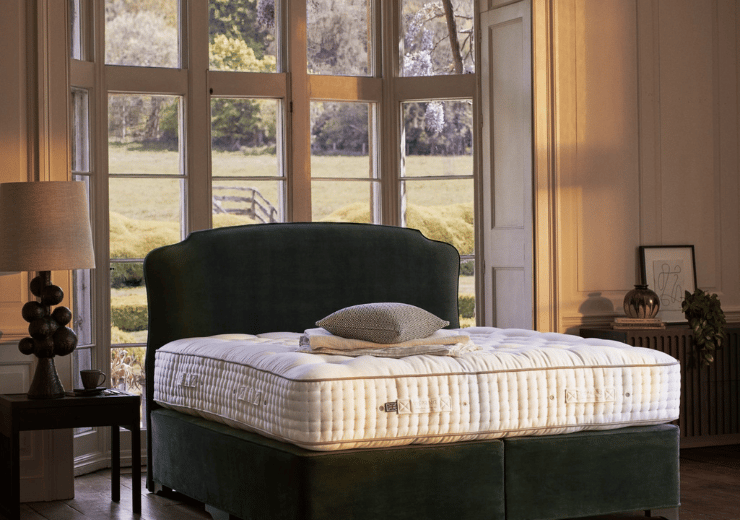
In the world of luxury bedding, fabric is destiny. The tactile whisper of a satin-smooth duvet cover, the cool breath of Egyptian cotton sheets, the quiet gravitas of a linen weave—these are not mere details. They are the signature of a sleep space curated for calm, repetition, and timeless elegance. Vogue-worthy bedding begins with understanding the fabrics themselves: their fiber composition, weave, finishing techniques, and the way these elements interact with climate, lifestyle, and care routines.
Fiber Fundamentals: The Big Three and Their Charms
Cotton
Cotton is the universal canvas of luxury bedding. Ranging from long-staple Egyptian cotton to organic, Supima, or Pima varieties, cotton offers a balance of softness, durability, and breathability. The feel of cotton in bedding often hinges on fiber length, fineness, and the finishing steps that soften the fabric without sacrificing structure.
Linen
Linen—crafted from flax—exudes a refined rigidity that softens with wear. It’s celebrated for exceptional breathability and a natural temperature-regulating quality. Linen’s distinctive texture and graceful creasing make a bedroom feel effortlessly chic, especially in warm climates or for those who sleep warm.
Silk
Silk brings a rarefied smoothness and a sense of opulence that’s unmatched in textiles. Mulberry silk, in particular, offers a temperature-balancing profile and a luxurious hand that drapes softly across the body. Silk bedding is often chosen for its sensorial glow and hypoallergenic tendencies, though it requires mindful care.
Weave Types: The Language of Texture and Temperature
Beyond the fiber, the weave dictates how fabric feels and behaves against the skin. In luxury bedding, two weaves dominate the conversation: percale and sateen. Each has a distinct personality, and each can be engineered with variants to suit climate, skin sensitivity, and sleep style.
Percale
Percale is a crisp, matte weave—one over one, two over two—creating a breathable, cool-to-the-touch surface. It’s the go-to for sleepers who prefer a fresh, hotel-like feel and a surface that stays airy through the night. A higher thread count in percale yields durability without sacrificing the signature crispness.
Sateen
Sateen is a five-over-one or similar weave that yields a smoother, more lustrous surface with a subtle sheen. It drapes beautifully and feels warmer to the touch than percale. Sateen is beloved by those who want a luxurious, enveloping sensation that still remains breathable with modern finishing techniques.
Thread Count: Debunking the Myth and Discovering the Truth
Thread count is often treated as the sole measure of quality, but in luxury bedding, it is only part of the story. A higher thread count can indicate softness and density, but beyond a certain point, the gains can be diminishing. The quality of the fiber, the ply, the weave, and the finishing processes (like enzyme washing, mercerization, or calendaring) influence the feel just as much as, if not more than, the numerical thread count.
For example, a well-woven 300-600 thread count cotton percale can feel lighter and crisper than a heavily processed 800-thread-count sateen. Likewise, linen’s texture is not about thread count but about fiber characteristics and the looms that create its natural character. In short: thread count matters, but it must be interpreted in the context of fiber and weave to determine the fabric’s true luxury quotient.
Finishes and Treatments: Softness Without Sacrifice
Luxury finishes touch the robe of a fabric’s life. Mercerinzing adds sheen and strength to cotton; enzyme washing softens fibers and yields that “lived-in” luxury without compromising longevity. For sleepers seeking sustainability, finishes that reduce wrinkling and improve wash-fastness can extend the garment’s life, aligning with responsible consumption.
Organic and GOTS-certified fibers offer an ethical baseline, ensuring that the bedding supports healthier sleep environments and transparent supply chains. Finishes that are free from harmful chemicals are not merely a trend but a standard of care for skin sensitivities and environmental stewardship.
Care as Couture: How to Preserve Luxury Bedding
Care is the quiet designer behind every elegant night. How you wash, dry, and store textiles can dramatically influence their lifespan and performance. Here are editorially inspired guidelines to keep luxury bedding pristine:
- Follow fiber-specific instructions: organic cotton percale loves cool, gentle cycles; silk benefits from delicate handling; linen thrives with lighter washing and air-drying when possible.
- Avoid harsh chemicals and bleaches that can degrade fibers; opt for mild detergents that preserve natural fibers’ integrity and color.
- Rotate sets to ensure even wear; store bedding in a cool, dry place away from direct sunlight to prevent yellowing or fabric breakdown.
- Line-dry or tumble-dry at low heat; remove promptly to minimize wrinkles and maintain surface smoothness for that timeless hotel quality.
Sustainability in Luxury Textiles: Certifications to Look For
Conscious consumers increasingly seek textiles that honor both comfort and conscience. Certifications such as GOTS (Global Organic Textile Standard) and OEKO-TEX signal that fabrics have met stringent environmental and social criteria. When reading labels and exploring catalogs, align choice with certification credibility, transparency, and the traceability of materials from field to finished product.
Color, Texture, and Mood: Designing Calm Sleep Spaces
Luxury bedding does more than provide warmth; it sets a mood. Neutral palettes—creams, taupes, and soft Greys—create a serene canvas that supports rest. Textural variety, such as a crisp percale sheet paired with a soft sateen duvet cover, adds depth without visual noise. Subtle metallic accents, like brushed brass or pewter-toned hardware, can elevate the room’s atmosphere while keeping the focus on comfort and calm.
In a Vogue-inspired approach, the design language of a luxury sleep space leans into timeless pieces, impeccable tailoring, and textures that invite touch. The goal is a bedroom that feels curated, not cluttered; a sanctuary where fabric handling becomes a ritual as much as a necessity.
Bringing It Home: How to Choose Bedding That Feels Opera-Perfect
Choosing luxury bedding is a personal experience as much as a stylistic one. Consider climate, skin sensitivity, and daily routines. If you sleep warm, lean into breathable cotton percale or linen. If you crave enveloping warmth and a lustrous touch, a silk-sateen blend might be your ideal companion. For those who prize a clean, crisp surface that still offers softness, blends and carefully engineered weaves can deliver the best of both worlds.
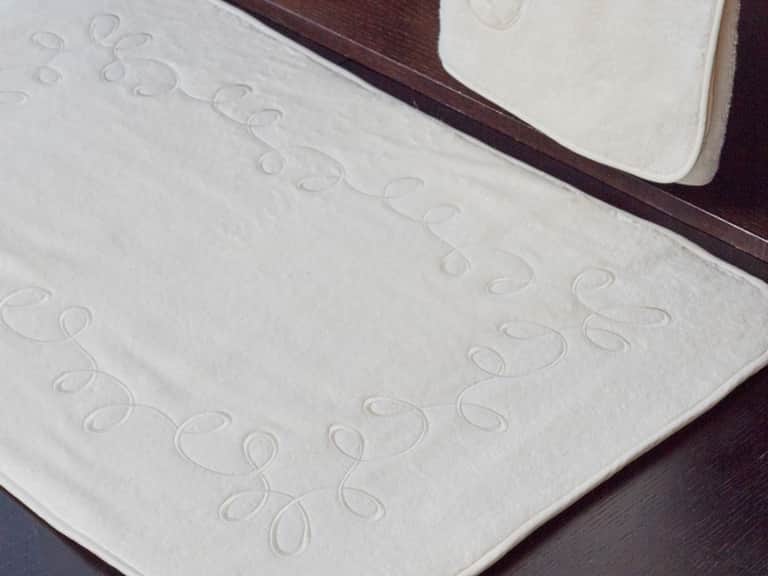
A practical editorial approach to selection: begin with foundational pieces—sheets and a duvet cover—in the fiber you love, then layer with texture through a complementary pillowcase set, a mattress pad for protection and comfort, and finally a spa-like bath ensemble that reflects the same calm narrative in color and texture.
A Vogue-Style Glossary: Textile Terms at a Glance
- Fiber length: Longer staple fibers generally yield smoother, stronger fabrics (e.g., long-staple cotton, bamboo blends).
- Thread count: A measure of fiber density; not the sole indicator of quality. Look for yield that matches weave and fiber.
- Weave: Percale (crisp, breathable), Sateen (soft, lustrous), Linen (textured, breathable), blends for balanced performance.
- Finish: Enzyme wash, mercerization, calendaring, and other treatments that affect hand feel and appearance.
- Certifications: GOTS, OEKO-TEX, and other third-party validations that inform sustainability and safety.
Related Product Spotlight: A Thoughtful Addition to a Luxe Sleep Space
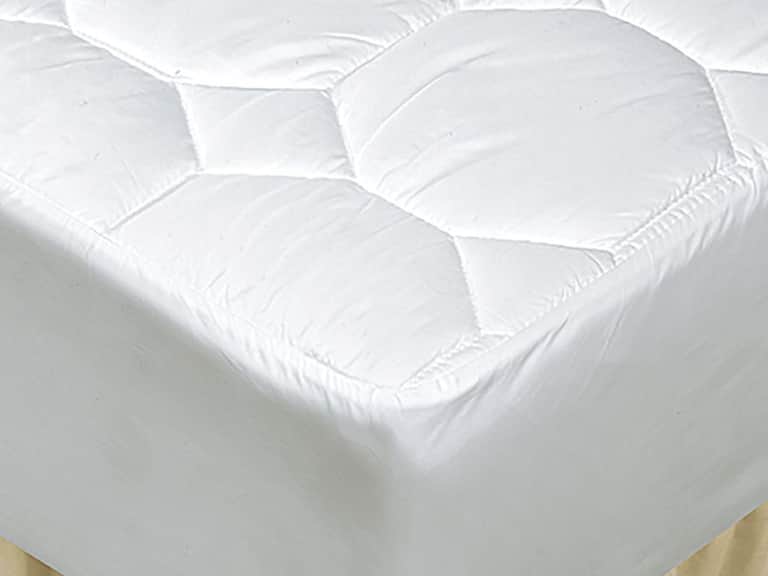
For readers seeking a refined tactile anchor to their sleep space, consider premium, responsibly crafted bedding pieces that align with the discussed themes. A high-quality mattress pad or a carefully chosen set of duvet covers in natural fibers can be the bridge between the sleep you have and the sleep you deserve. If you’re browsing for a plush addition to the bed, the Downtown Company Luxury Cotton Mattress Pad offers a balance of softness, durability, and practical care. Its 100% cotton fill and honeycomb quilted cover provide a breathable cushion that enhances the bed’s comfort profile without adding bulk.
If you’re drawn to a silk-inflected luxury, consider how silk layers can temper temperature and reduce friction for hair and skin, while mindful care keeps the glow intact over time.
Closing Thoughts: The Ritual of Luxurious Sleep
Luxury bedding is a refined conversation between fiber, weave, care, and climate. It’s the quiet assurance that your nightly retreat is prepared with intention: fabrics chosen for their character, finished for longevity, and cared for as you would a couture piece. In this language of textiles, the goal remains not to chase trends, but to curate a space where rest is both a daily ritual and an enduring, sensorial delight. The result is a bedroom that feels less like a room and more like a mood—an elegant, calm, and timeless horizon that invites you to exhale, unwind, and dream.
Notes on Availability and Context
This article centers on luxury fabrics and care principles for bedding as a lifestyle and design narrative. Where relevant, it nods to high-end textile practices and widely recognized standards, without citing non-documented or fictional figures. Readers seeking specific product recommendations are invited to consider curations that emphasize sustainability, texture, and wellness in equal measure.